
Introduction
In today’s digital world, blogging has become one of the most powerful ways to share knowledge, build an online presence, and earn money. Many college students, freelancers, and online earners are searching for reliable ways to create passive income and develop digital skills. This is where how to start blogging becomes an important topic for beginners who want to build a successful online career.
Blogging is not just about writing articles; it is about creating valuable content, attracting readers, and building trust with an audience. With the right strategy, anyone can learn how to start blogging and turn a simple website into a profitable platform. Whether you want to share your knowledge, promote products, or build a personal brand, blogging provides endless opportunities.
Many beginners think blogging requires advanced technical skills or a large investment, but this is not true. Today, blogging platforms and tools make it easy for anyone to start a blog with minimal cost. By understanding how to start blogging, students and freelancers can create an online income source while working from home.
This guide will explain the blogging roadmap step by step so that beginners can understand the process clearly. From choosing a niche to creating content and optimizing for search engines, every step will help you build a strong blogging foundation.
What is Blogging?
Blogging is the process of creating and publishing content on a website to inform, educate, or entertain readers. It involves writing articles, sharing ideas, and providing useful information on specific topics. Understanding how to start blogging begins with knowing what blogging actually means and how it works.
A blog is a website where content is regularly updated with new articles or posts. These posts can cover different topics such as technology, education, digital marketing, finance, health, travel, or online earning. The main goal of blogging is to provide value to readers and build an audience.
When beginners learn how to start blogging, they discover that blogging is more than writing. It includes content planning, search engine optimization, audience engagement, and monetization strategies. Successful bloggers focus on solving problems and helping readers with useful information.
For college students and freelancers, blogging can become a long-term career option. It helps develop writing skills, marketing knowledge, and digital expertise, which are valuable in today’s online economy.

Why Blogging is Important
Blogging has become an essential part of digital marketing and online business. Many companies, entrepreneurs, and individuals use blogs to connect with their audience and grow their online presence. Understanding how to start blogging helps beginners take advantage of these opportunities.
1. Build Online Presence
Blogging helps create a strong online presence. When you publish useful content regularly, people start recognizing your expertise. This builds credibility and authority in your niche.
For beginners, learning how to start blogging helps them create a personal brand and establish their identity in the digital world.
2. Share Knowledge and Skills
Blogging allows individuals to share their knowledge and skills with a global audience. Whether it is technology, education, or online earning, blogging helps spread valuable information.
By understanding how to start blogging, students and freelancers can educate others and build a helpful online community.
3. Earn Money Online
One of the biggest reasons people learn how to start blogging is to earn money online. Blogging offers multiple income opportunities such as advertising, affiliate marketing, sponsored posts, and digital products.
With consistent effort and the right strategy, blogging can become a stable income source.
4. Improve Digital Skills
Blogging helps improve important digital skills like writing, SEO, marketing, and content creation. These skills are valuable in many careers and online businesses.
Learning how to start blogging helps beginners develop professional skills that can lead to better job and freelance opportunities.
5. Work from Anywhere
Blogging provides flexibility and freedom. Bloggers can work from home, college, or any location with an internet connection.
This makes how to start blogging an attractive option for students and freelancers who want flexible work opportunities.
Blogging Roadmap Overview
Starting a blog becomes easier when you follow a clear roadmap. Many beginners fail because they do not follow a structured plan. Understanding how to start blogging requires a step-by-step approach.
A typical blogging roadmap includes:
- Plan topics
- Build blog
- Write content
- SEO optimization
- Monetization
- Traffic generation
This roadmap helps beginners stay organized and focused.
When learners follow this structured approach, how to start blogging becomes simple and manageable.
Benefits of Blogging for Students and Freelancers
Blogging offers several benefits for college students, beginners, freelancers, and online earners. Understanding how to start blogging helps them take advantage of these benefits.
Financial Independence
Students can earn part-time income while studying. Freelancers can create passive income alongside their main work.
Career Growth
Blogging builds digital marketing and writing skills, which improve career opportunities.
Personal Branding
Blogging helps build a personal brand and professional identity online.
Passive Income
With consistent content, blogs can generate income for years.
These benefits make how to start blogging a smart choice for beginners.
Common Myths About Blogging
Many beginners hesitate to start blogging because of common misconceptions. Understanding how to start blogging helps break these myths.
Myth 1: Blogging is Expensive
Blogging can start with low investment using affordable hosting and free tools.
Myth 2: Blogging Requires Technical Skills
Modern platforms make blogging easy even for non-technical users.
Myth 3: Blogging Takes Too Much Time
With proper planning, blogging becomes manageable and efficient.
Myth 4: Blogging is Not Profitable
Many bloggers earn a full-time income through blogging.
Breaking these myths encourages beginners to learn how to start blogging confidently.
Conclusion
Blogging is one of the best ways to share knowledge, build an online presence, and earn money in the digital world. By understanding how to start blogging, beginners can create a strong foundation for their online journey. Blogging offers flexibility, financial opportunities, and valuable digital skills for students, freelancers, and online earners.
Following a clear roadmap makes blogging simple and effective. The next step is to learn how to plan topics, build a blog, write content, and optimize it for search engines.
Plan Topics for Your Blog
One of the most important steps in how to start blogging is planning your blog topics. Many beginners make the mistake of starting a blog without a clear niche or topic strategy. This leads to confusion, inconsistent content, and low traffic. Proper topic planning helps bloggers stay focused and create valuable content for their audience.
When learning how to start blogging, the first step is choosing a niche. A niche is the specific subject or category your blog will focus on. It can be digital marketing, technology, education, health, finance, travel, or online earning. Choosing the right niche is important because it determines your target audience and content direction.
A good niche should have three important qualities:
- High audience demand
- Personal interest or expertise
- Monetization potential
For example, college students may choose blogging, online earning, or career tips, while freelancers may focus on digital marketing or business strategies. Understanding how to start blogging with a strong niche increases the chances of long-term success.
Keyword Research and Topic Ideas
After selecting a niche, the next step in how to start blogging is keyword research. Keywords are the words and phrases people search for on search engines. Using the right keywords helps your blog rank higher and attract organic traffic.
There are many free and paid keyword research tools available such as:
- Google Keyword Planner
- Ubersuggest
- Ahrefs
- SEMrush
- Google Trends
These tools help identify trending topics and search volume. Beginners should focus on low-competition keywords to get faster results. Learning how to start blogging with proper keyword research helps create SEO-friendly content that attracts readers.
Some common topic ideas for beginners include:
- Blogging tips
- Online earning methods
- Affiliate marketing
- SEO strategies
- Freelancing guides
- Digital marketing basics
Planning topics in advance helps maintain consistency and improves blog performance.
Create a Content Plan
A content plan is essential when learning how to start blogging because it keeps your blog organized and consistent. Without a plan, bloggers often struggle to publish regular content.
A good content plan includes:
- Weekly or monthly posting schedule
- Target keywords
- Blog categories
- Content type (guides, tutorials, reviews, tips)
- Publishing dates
For example, beginners can start with two blog posts per week. Consistent publishing improves search engine rankings and audience engagement. Understanding how to start blogging with a structured content plan helps build a professional blog.
Content planning also helps avoid writer’s block and ensures continuous growth.
Build Your Blog
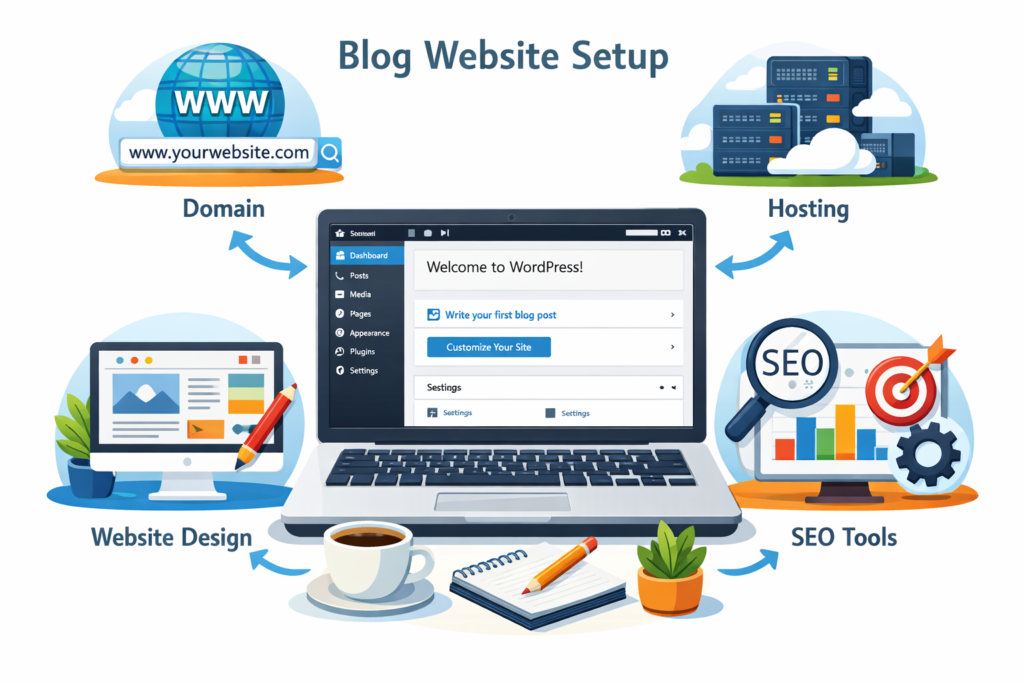
After planning topics, the next step in how to start blogging is building your blog. This includes selecting a platform, domain, and hosting to create your website.
Choose a Blogging Platform
A blogging platform is the system used to create and manage your blog. The most popular platform is WordPress because it is user-friendly and flexible.
Other blogging platforms include:
- Blogger
- Wix
- Medium
- Squarespace
However, WordPress is recommended for beginners because it offers better control and customization. Learning how to start blogging with the right platform ensures long-term growth and scalability.
Buy Domain and Hosting
A domain name is your blog’s website address, such as yourblog.com. Hosting is the service that stores your website data and makes it available online.
When learning how to start blogging, choosing a reliable domain and hosting provider is important. A good domain name should be:
- Short and simple
- Easy to remember
- Related to your niche
- Professional and brandable
Reliable hosting ensures fast loading speed and better performance. This improves user experience and search engine rankings.
Install WordPress and Set Up Blog
Once domain and hosting are ready, the next step in how to start blogging is installing WordPress and setting up your blog.
The process usually includes:
- Installing WordPress
- Choosing a theme
- Customizing design
- Creating pages (Home, About, Contact, Blog)
- Installing essential plugins
A clean and simple design improves user experience and keeps readers engaged. Beginners should focus on easy navigation and professional layout.
Setting up your blog properly ensures a strong foundation for future growth.
Write High-Quality Content
Content is the most important part of how to start blogging. Without high-quality content, a blog cannot attract readers or rank on search engines.
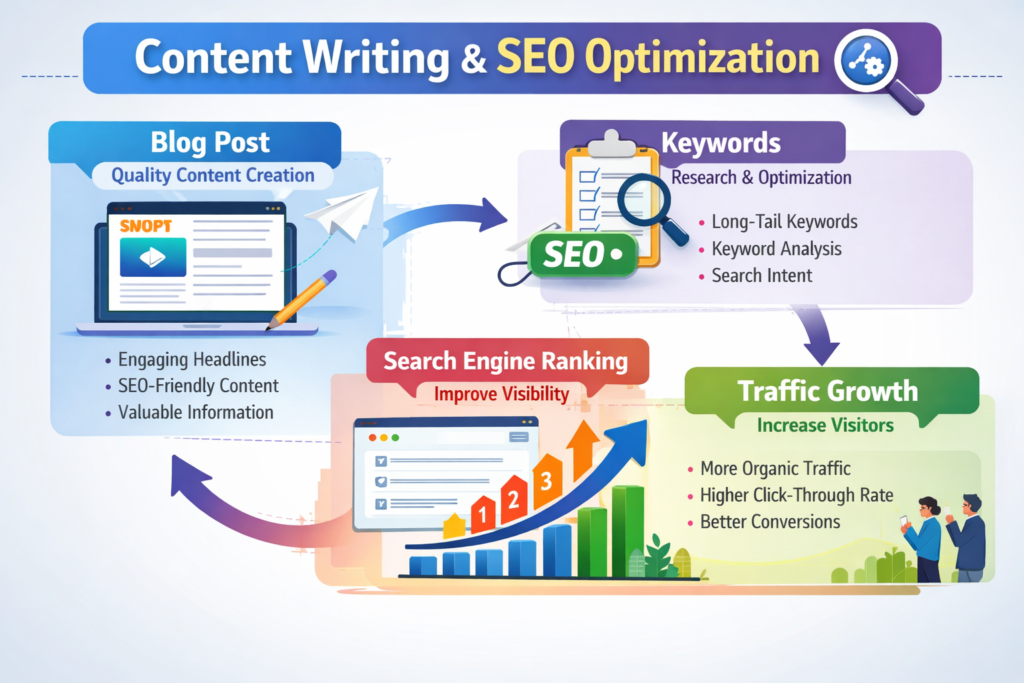
Good content should be:
- Informative
- Easy to read
- Well-structured
- SEO-friendly
- Valuable for readers
When writing blog posts, beginners should focus on solving problems and answering common questions. Understanding how to start blogging with quality content helps build trust and authority.
Structure of a Blog Post
A well-structured blog post improves readability and engagement. Beginners learning how to start blogging should follow this structure:
Title
The title should be clear and attractive to grab attention.
Introduction
The introduction explains the topic and engages readers.
Headings and Subheadings
Headings make content easy to read and organized.
Main Content
The main section provides valuable information and solutions.
Conclusion
The conclusion summarizes key points and encourages action.
This structure helps create professional blog posts.
SEO Optimization
SEO (Search Engine Optimization) is a crucial step in how to start blogging because it helps blogs rank on search engines like Google.
SEO includes:
- Keyword placement
- Meta title and description
- Image optimization
- Internal linking
- External linking
- Fast website speed
Using SEO techniques increases blog visibility and traffic. Beginners should focus on on-page SEO to improve rankings.
Understanding how to start blogging with SEO helps attract organic visitors without paid advertising.
On-Page SEO Basics
On-page SEO improves individual blog posts and helps search engines understand the content.
Important on-page SEO elements include:
- Keyword in title
- Keyword in headings
- Keyword in URL
- Keyword in first paragraph
- Image alt text
- Internal links
- External links
Proper on-page SEO improves search rankings and user experience.
Conclusion
Planning topics, building a blog, writing quality content, and optimizing for SEO are essential steps in how to start blogging. These steps create a strong foundation for a successful blogging journey. With proper niche selection, keyword research, and structured content, beginners can build a professional and profitable blog.
The next step is learning how to monetize your blog, drive traffic, use blogging tools, and build a long-term strategy.
Monetize Your Blog
After planning topics, building your blog, writing content, and applying SEO, the next important step in how to start blogging is monetization. Monetization means earning money from your blog through different methods. Many beginners start blogging with the goal of generating income, and with the right strategy, blogging can become a reliable source of passive income.
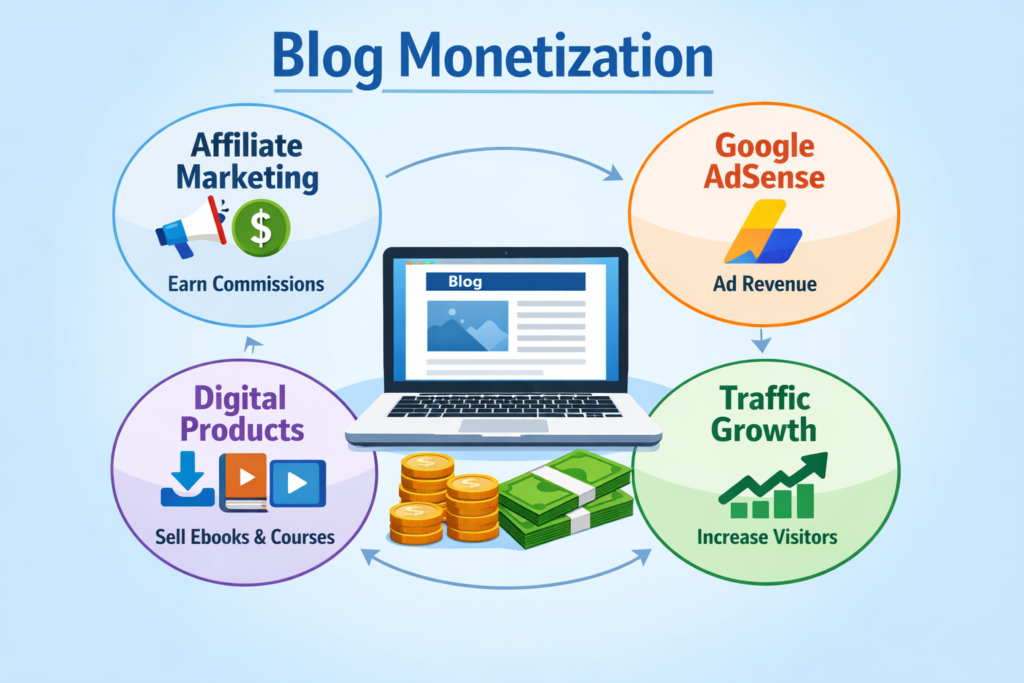
Understanding how to start blogging with monetization helps bloggers focus on creating valuable content while building income streams. A blog does not generate money instantly, but with consistent effort and traffic, it can become profitable over time.
There are several popular ways to monetize a blog, and beginners should explore multiple options to maximize earnings.
Affiliate Marketing
Affiliate marketing is one of the most popular methods in how to start blogging for beginners. In this method, bloggers promote products or services and earn a commission for every sale made through their referral link.
For example, a blogger writing about digital marketing tools can recommend hosting, SEO tools, or online courses. When readers purchase through the affiliate link, the blogger earns a commission.
Benefits of affiliate marketing include:
- No need to create your own product
- Passive income opportunity
- Easy to start
- Suitable for beginners
Affiliate marketing works best when bloggers promote useful and relevant products. Understanding how to start blogging with affiliate marketing helps build long-term income and trust with readers.
Google AdSense
Google AdSense is another common monetization method in how to start blogging. It allows bloggers to earn money by displaying ads on their website. When visitors click on ads, the blogger earns revenue.
To use AdSense, bloggers need:
- Quality content
- Regular traffic
- User-friendly website
- Google AdSense approval
AdSense is suitable for beginners because it does not require selling products or services. With increasing traffic, ad revenue also increases. Learning how to start blogging with AdSense helps generate passive income through website visitors.
Sponsored Posts
Sponsored posts are another income method in how to start blogging. In this method, companies pay bloggers to write articles about their products or services.
For example, a digital marketing blog may receive sponsorship from software companies or online platforms. Bloggers can earn good income through sponsored collaborations.
Benefits include:
- High earning potential
- Brand partnerships
- Professional networking
- Long-term opportunities
Understanding how to start blogging with sponsored posts helps bloggers build business relationships and increase revenue.
Selling Digital Products
Selling digital products is a powerful strategy in how to start blogging because it allows bloggers to create their own income source. Digital products can include:
- E-books
- Online courses
- Templates
- Guides
- Checklists
- PDFs
For example, a blogger can create a blogging guide or digital marketing course and sell it to readers. This method provides full control over pricing and profit.
Learning how to start blogging with digital products helps create scalable and sustainable income.
Drive Traffic to Your Blog
Traffic is essential for success in how to start blogging. Without visitors, a blog cannot grow or generate income. Bloggers need to focus on traffic generation strategies to attract readers.
Traffic can come from different sources, and beginners should use multiple methods to increase visibility.
Search Engine Traffic
Search engine traffic is one of the most valuable sources in how to start blogging. It comes from Google and other search engines when people search for information.
To increase search traffic, bloggers should:
- Use SEO-friendly keywords
- Write high-quality content
- Optimize blog posts
- Build backlinks
- Publish regularly
Search traffic is free and long-lasting, making it an important part of blogging success.
Social Media Traffic
Social media platforms play a major role in how to start blogging because they help promote blog content and reach a wider audience.
Popular platforms include:
Bloggers can share articles, create posts, and engage with followers to increase traffic. Social media marketing helps bring instant visitors to the blog.
Understanding how to start blogging with social media promotion increases visibility and audience engagement.
Email Marketing
Email marketing is another effective strategy in how to start blogging. It helps bloggers connect directly with their audience and promote new content.
Bloggers can collect email addresses through:
- Free PDF downloads
- Newsletters
- Blog subscriptions
- Lead magnets
Email marketing helps build loyal readers and increase repeat traffic. It also improves conversion rates and monetization opportunities.
Learning how to start blogging with email marketing creates long-term audience relationships.
Essential Blogging Tools
Using the right tools makes how to start blogging easier and more efficient. Blogging tools help with content creation, SEO, design, and marketing.
Some essential blogging tools include:
Content Writing Tools
- Grammarly for grammar correction
- Hemingway Editor for readability
- Google Docs for writing
These tools improve content quality and writing efficiency.
SEO Tools
SEO tools help optimize blog posts and improve rankings.
Examples include:
- Google Search Console
- Ubersuggest
- Ahrefs
- SEMrush
These tools help identify keywords and track performance.
Understanding how to start blogging with SEO tools improves search engine visibility.
Design Tools
Design tools help create blog graphics and images.
Examples include:
- Canva
- Photoshop
- Figma
Visual content improves engagement and user experience.
Using design tools helps bloggers create attractive and professional content.
Long-Term Blogging Strategy
A long-term strategy is important in how to start blogging because blogging requires patience and consistency. Success does not happen overnight, and bloggers need to focus on continuous growth.
A strong strategy includes:
- Regular content publishing
- SEO optimization
- Audience engagement
- Traffic generation
- Monetization planning
Bloggers should focus on quality, consistency, and value. Understanding how to start blogging with a long-term mindset helps build a sustainable online business.
Build Audience Trust
Trust is the foundation of blogging success. Readers follow bloggers who provide honest and valuable content.
To build trust:
- Share real information
- Provide helpful tips
- Avoid misleading content
- Be consistent and transparent
Building trust improves credibility and increases audience loyalty. Learning how to start blogging with a focus on trust ensures long-term success.
Conclusion
Monetization, traffic generation, blogging tools, and long-term strategy are essential elements in how to start blogging. Bloggers must focus on multiple income streams, attract traffic, and use the right tools to grow their blog effectively. With patience and consistent effort, blogging can become a profitable and sustainable career.
The next step is understanding common blogging mistakes, expert tips, FAQs, SEO meta data, tags, and external links.
Common Blogging Mistakes to Avoid
When learning how to start blogging, many beginners make common mistakes that slow down their growth and reduce their chances of success. Avoiding these mistakes helps bloggers build a strong and profitable platform. Understanding these errors is an important part of mastering how to start blogging effectively.
1. Choosing the Wrong Niche
One of the biggest mistakes beginners make in how to start blogging is choosing a niche without research. A niche with low demand or no audience can lead to poor traffic and low engagement.
To avoid this mistake:
- Choose a niche with search demand
- Focus on your interest and expertise
- Check competition and monetization potential
Selecting the right niche makes blogging easier and more profitable.
2. Ignoring SEO
SEO is essential in how to start blogging, but many beginners ignore it. Without SEO, blog posts may not appear in search results, which reduces traffic and visibility.
To improve SEO:
- Use target keywords naturally
- Optimize titles and headings
- Add internal and external links
- Optimize images with alt text
SEO helps blogs rank higher and attract organic visitors.
3. Inconsistent Content Publishing
Another common mistake in how to start blogging is irregular posting. Publishing content randomly reduces audience engagement and search engine ranking.
To stay consistent:
- Create a content calendar
- Publish regularly
- Focus on quality over quantity
Consistency builds authority and trust.
4. Writing Low-Quality Content
Content quality plays a major role in how to start blogging. Poorly written or copied content can harm credibility and reduce traffic.
To improve content quality:
- Write original articles
- Provide useful information
- Use clear structure
- Focus on reader needs
High-quality content attracts more readers and improves blog performance.
5. Expecting Quick Results
Many beginners think blogging will bring instant success, but how to start blogging requires patience and long-term effort.
Blogging success takes:
- Time
- Consistency
- SEO efforts
- Traffic building
Understanding this helps beginners stay motivated and focused.
Expert Tips for Successful Blogging
To master how to start blogging, beginners should follow expert strategies that improve performance and growth. These tips help bloggers build a professional and profitable blog.
Focus on Audience Needs
Successful bloggers always focus on their audience. Understanding reader problems and providing solutions improves engagement and trust.
When learning how to start blogging, always write content that solves real problems and provides value.
Create SEO-Friendly Content
SEO-friendly content increases search engine visibility and traffic. Bloggers should focus on keywords, headings, and structure.
Using SEO strategies helps improve blog rankings and reach a larger audience.
Use Social Media Promotion
Social media promotion is an effective strategy in how to start blogging. Sharing blog posts on different platforms increases visibility and traffic.
Bloggers should:
- Share posts regularly
- Engage with followers
- Create attractive visuals
This helps grow the blog faster.
Build Email List
Email marketing helps bloggers connect directly with their audience. Building an email list improves traffic and monetization opportunities.
Offering free resources like PDFs or guides encourages readers to subscribe.
Learning how to start blogging with email marketing creates long-term engagement.
Keep Learning and Improving
Blogging trends and strategies change over time. Bloggers should continue learning and improving their skills.
This includes:
- SEO updates
- Content marketing strategies
- Traffic generation methods
- Monetization techniques
Continuous learning ensures long-term success in blogging.
Frequently Asked Questions (FAQs)
1. How long does it take to start blogging successfully?
Success in how to start blogging usually takes 3 to 6 months for traffic and 6 to 12 months for income, depending on consistency and SEO efforts.
2. Can beginners start blogging without investment?
Yes, beginners can learn how to start blogging with low investment using free platforms and tools, but paid hosting and domain provide better results.
3. Is blogging a good career for students?
Yes, blogging is a great career option for students because it provides flexible income and digital skills.
4. How many blog posts should beginners publish?
Beginners learning how to start blogging should publish at least 1–2 blog posts per week for consistent growth.
5. Can blogging generate passive income?
Yes, blogging can generate passive income through affiliate marketing, ads, and digital products.
Final Conclusion
Learning how to start blogging is one of the best decisions for college students, beginners, freelancers, and online earners who want to build an online career. Blogging provides opportunities to share knowledge, earn money, and develop digital skills. By following a clear roadmap that includes niche selection, content planning, SEO optimization, monetization, and traffic generation, anyone can build a successful blog.
Consistency, patience, and continuous learning are the key factors in blogging success. Avoiding common mistakes and following expert strategies helps bloggers grow faster and achieve long-term results. With the right mindset and effort, how to start blogging can become a powerful tool for financial independence and professional growth.
Links for Blogging Resources
Here are some useful external resources for learning how to start blogging:
- https://wordpress.org (Blogging platform)
- https://blog.google (SEO and tools)
- https://neilpatel.com (Digital marketing and blogging tips)
- https://ahrefs.com/blog (SEO and content marketing guides)
- https://moz.com/blog (SEO learning resources)
- https://hubspot.com/blog (Marketing and blogging strategies)
These resources provide valuable knowledge and tools for beginners.
More Articles –
Skills You Need to Start Digital Marketing in 2026
Official Update: BSEB 12th Result 2026 Today – How to Check Bihar Board Intermediate Result
10 Digital Marketing Terms Every Beginner Should Know (Complete Guide)
Digital Marketing Roadmap for Beginners: Complete Guide to Start in 2026
SEO vs Social Media Marketing: Which is Better for Beginners?
What is PPC in Digital Marketing? Complete Guide for Beginners
10 Digital Marketing Terms Every Beginner Should Know (Complete Guide)
How to Start Digital Marketing with Zero Investment (Complete Beginner Guide 2026)
Free Tools for Digital Marketing Beginners (Complete Guide 2026)
Digital Marketing Course Checklist: Complete Beginner Guide to Start Your Career
Digital Marketing Mistakes – Common Beginner Mistakes and How to Avoid Them