
Digital marketing has become one of the most powerful ways for businesses to reach customers online. With the rapid growth of the internet, companies are constantly searching for professionals who understand online marketing strategies. For beginners, following a clear Digital Marketing Roadmap is essential to build the right skills step by step.
Many people feel confused when starting digital marketing because the field includes multiple areas such as SEO, social media marketing, paid advertising, content marketing, and analytics. Without a proper learning plan, beginners often struggle to understand where to start.
A well-structured Digital Marketing Roadmap helps learners move in the right direction. It breaks the learning process into simple stages so that beginners can gradually develop the skills required to succeed in the digital marketing industry.
In this guide, we will explore the most important steps beginners should follow to build a strong foundation in digital marketing.
Why Beginners Need a Digital Marketing Roadmap
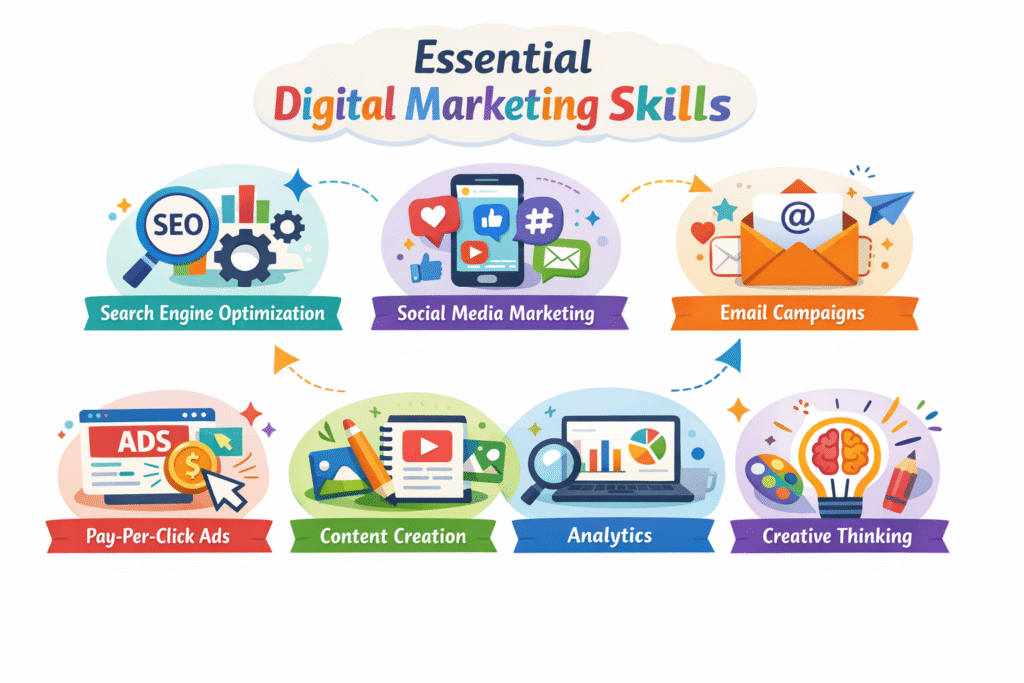
Starting any new career requires guidance and planning. The same is true for digital marketing. Without a clear strategy, learners may spend time studying random topics without understanding how they connect.
A structured Digital Marketing Roadmap helps beginners focus on the most important skills first. Instead of learning everything at once, learners can progress step by step.
Another advantage of following a roadmap is that it reduces confusion. Digital marketing includes many tools, platforms, and techniques. A roadmap organizes these elements into a logical learning sequence.
Additionally, businesses today expect marketers to have practical knowledge. By following a well-planned Digital Marketing Roadmap, beginners can gain hands-on experience and develop real-world skills.
Step 1: Build a Website
The first step in any Digital Marketing Roadmap is building a website. A website acts as the central hub for online marketing activities. It allows businesses to present their products, services, and information to potential customers.
For beginners learning digital marketing, creating a personal website or blog is extremely useful. It provides a platform to experiment with marketing techniques and understand how digital platforms work.
Important elements of a good website include:
- User-friendly design
- Mobile responsiveness
- Fast loading speed
- Clear navigation
- High-quality content
Platforms like WordPress make it easy for beginners to build websites without advanced coding knowledge.
Having your own website is one of the best ways to practice the strategies explained in a Digital Marketing Roadmap.
Step 2: Keyword Research

Keyword research is one of the most important activities in digital marketing. It involves identifying the words and phrases people use when searching for information online.
Understanding keyword research helps marketers create content that matches user search intent. This increases the chances of ranking higher in search engine results.
Key steps in keyword research include:
- Identifying relevant topics
- Finding search volume data
- Analyzing competition
- Choosing long-tail keywords
Several tools help with keyword research, including Google Keyword Planner, Ubersuggest, and Ahrefs.
In any effective Digital Marketing Roadmap, keyword research plays a critical role because it guides content creation and search engine optimization strategies.
Step 3: Learn SEO and PPC
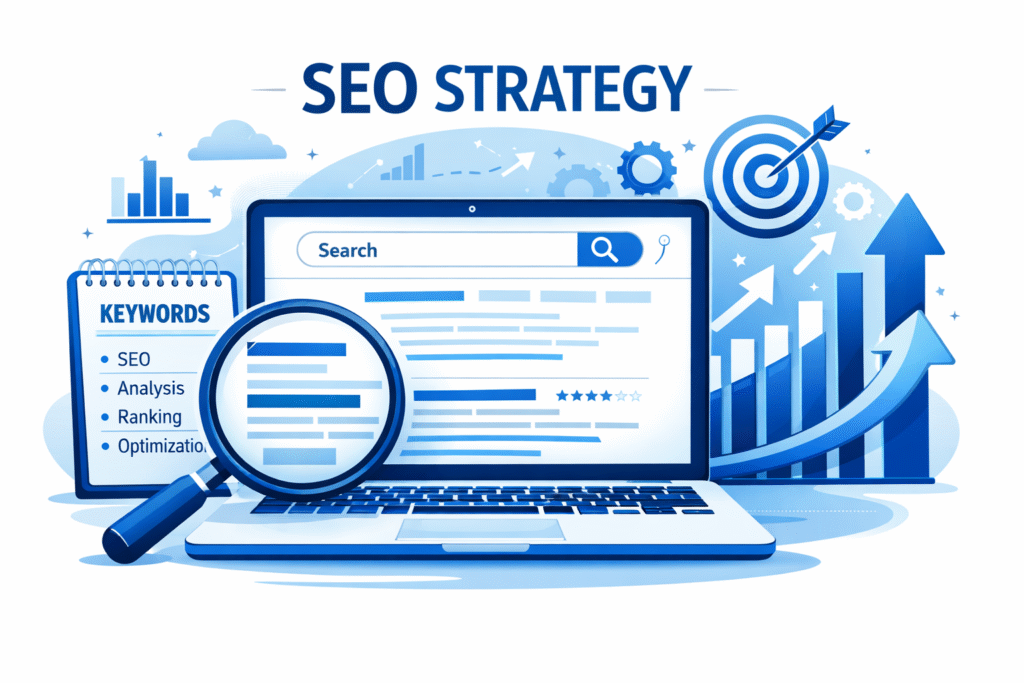
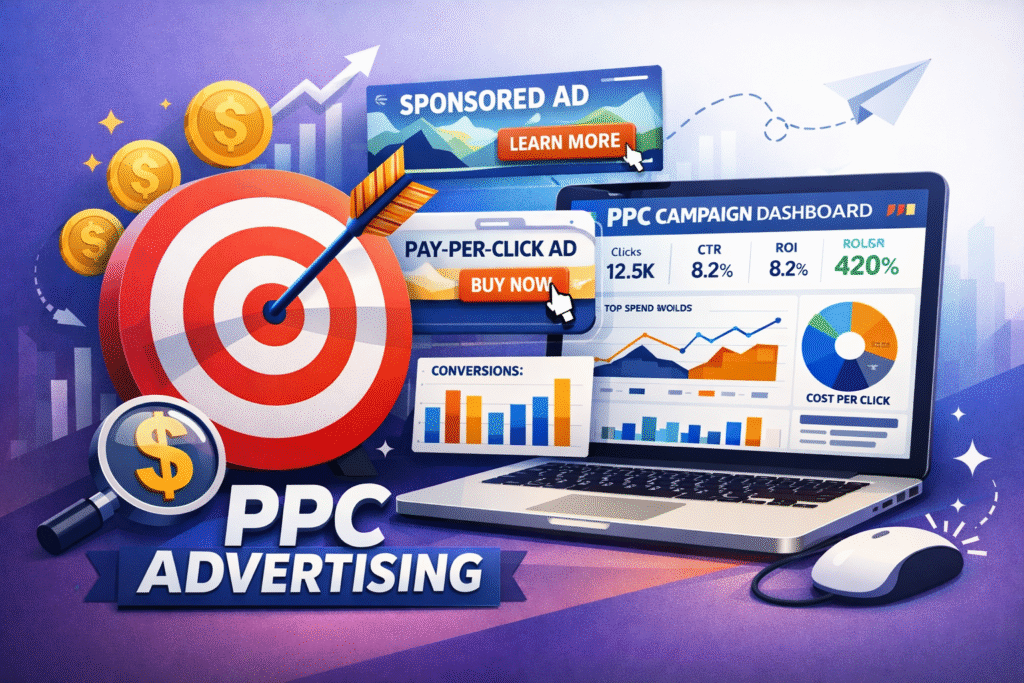
Search Engine Optimization (SEO) and Pay-Per-Click (PPC) advertising are two essential components of online marketing. Both strategies help businesses drive traffic to their websites.
SEO focuses on improving website visibility in organic search results. It involves optimizing website content, structure, and backlinks.
PPC advertising, on the other hand, involves running paid ads on platforms like Google Ads and social media networks.
Important SEO practices include:
- On-page optimization
- Technical SEO
- Link building
- Content optimization
Important PPC activities include:
- Creating ad campaigns
- Targeting the right audience
- Managing advertising budgets
- Monitoring campaign performance
Learning these techniques is a crucial step in any professional Digital Marketing Roadmap.
Step 4: Create Valuable Content
Content is the foundation of digital marketing. Whether it is blog articles, videos, social media posts, or email newsletters, content helps businesses communicate with their audience.
Content marketing focuses on creating valuable information that solves problems or answers questions for users.
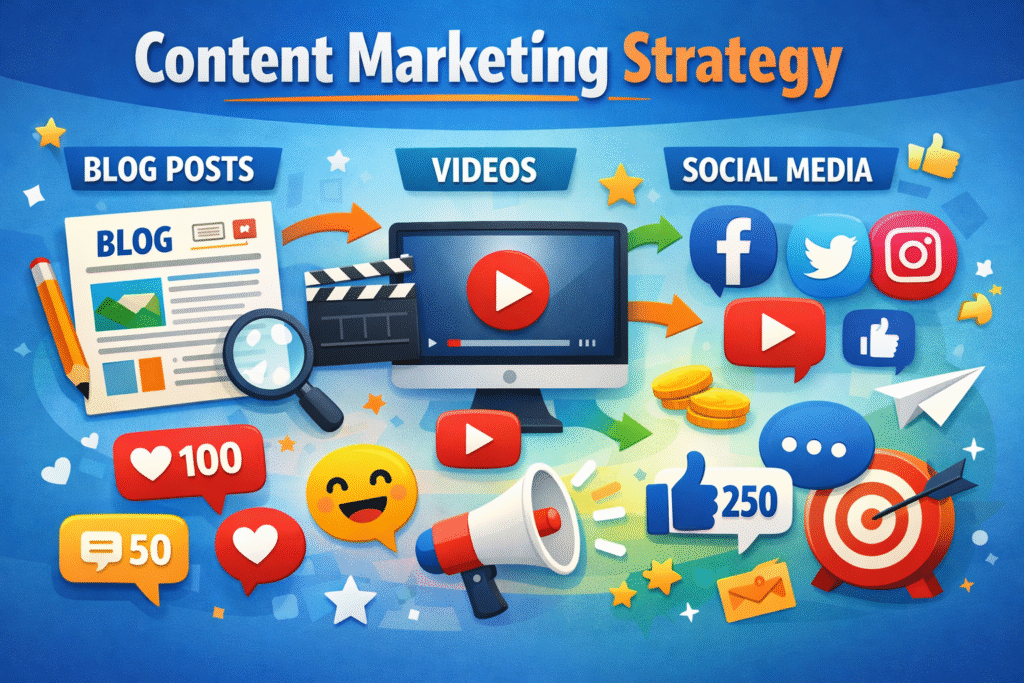
Effective content types include:
- Blog posts
- Video tutorials
- Infographics
- Case studies
- Social media posts
The goal of content marketing is not only to promote products but also to provide value to readers.
A successful Digital Marketing Roadmap always includes strong content creation strategies because quality content attracts traffic and builds trust.
Step 5: Social Media Marketing
Social media platforms have become essential marketing channels for businesses. Platforms such as Facebook, Instagram, LinkedIn, and YouTube allow companies to interact directly with customers.
Social media marketing involves creating engaging content, building communities, and running advertising campaigns.
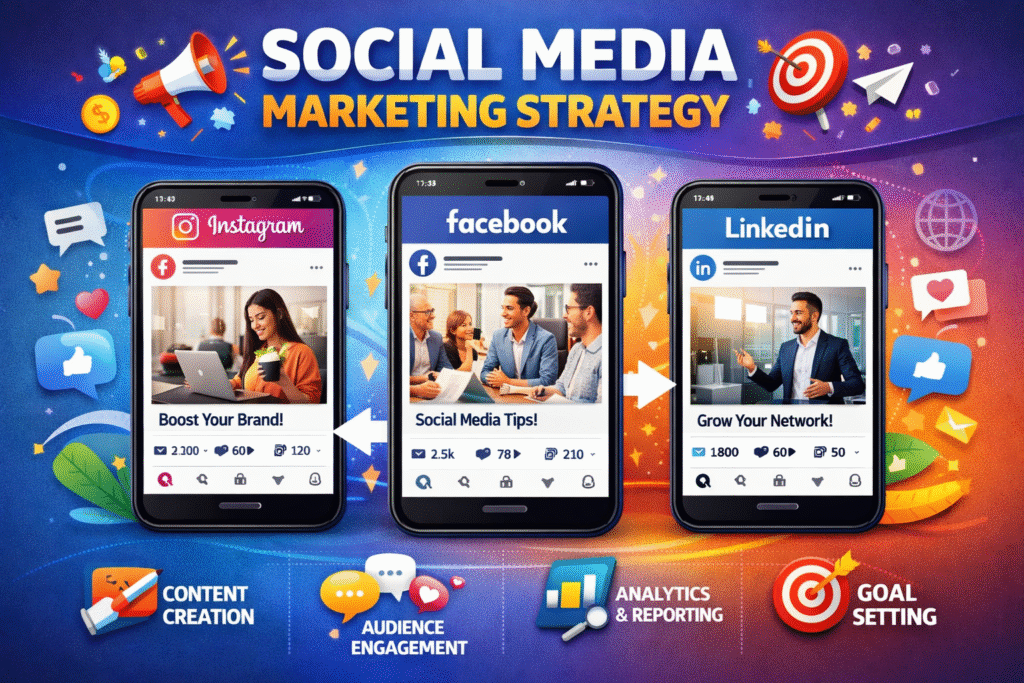
Key activities in social media marketing include:
- Managing business profiles
- Posting engaging content
- Responding to comments and messages
- Running paid promotions
- Tracking engagement metrics
Through social media platforms, businesses can increase brand awareness and build strong relationships with their audience.
For beginners following a Digital Marketing Roadmap, learning social media marketing is an important milestone.
Step 6: Email Marketing
Email marketing is one of the most reliable ways to communicate with customers. Even with the rise of social media, email continues to provide excellent conversion rates.
This marketing strategy involves sending targeted messages to subscribers who have expressed interest in a brand.

Common types of email campaigns include:
- Promotional emails
- Newsletter updates
- Product announcements
- Customer follow-up messages
Email marketing platforms such as Mailchimp and ConvertKit help automate campaigns and track results.
Within a structured Digital Marketing Roadmap, email marketing helps nurture relationships and encourage repeat purchases.
Step 7: Analytics and Performance Monitoring
Data analysis is essential for understanding marketing performance. Without tracking results, marketers cannot determine whether their strategies are effective.
Analytics tools provide valuable insights into website traffic, user behavior, and campaign performance.
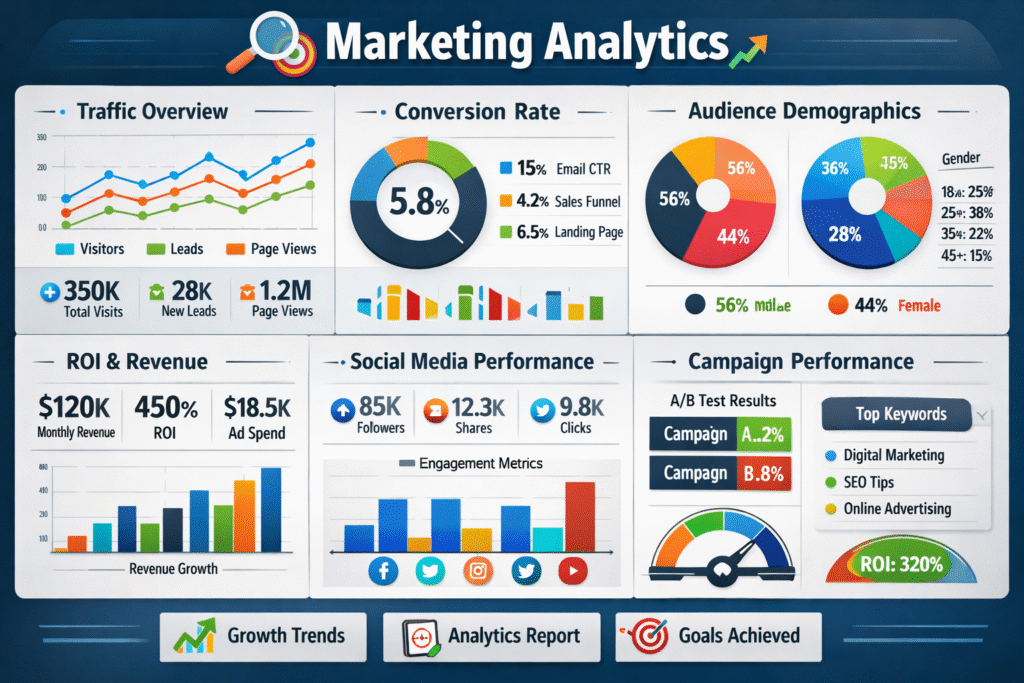
Important metrics include:
- Website visitors
- Conversion rates
- Bounce rates
- Click-through rates
- Engagement levels
Google Analytics is one of the most widely used tools for monitoring digital marketing performance.
Monitoring data helps marketers improve their strategies and achieve better results. Therefore, analytics is a key stage in the Digital Marketing Roadmap.
Digital Marketing Tools Beginners Should Learn
Digital marketing professionals rely on various tools to manage campaigns efficiently. Learning these tools is an important part of mastering digital marketing.
Some essential tools include:
- Google Analytics
- Google Search Console
- Canva
- WordPress
- Mailchimp
- SEMrush
These platforms help marketers create content, analyze performance, and automate marketing processes.
Using the right tools simplifies many tasks within the Digital Marketing Roadmap.
How Long Does It Take to Learn Digital Marketing?
The time required to learn digital marketing varies depending on dedication and practice. Some learners understand the basics within a few months, while mastering advanced strategies may take longer.
Beginners who follow a structured Digital Marketing Roadmap can build a strong foundation within six to twelve months.
Consistent learning and practical experience are the most important factors for success.
Career Opportunities in Digital Marketing
Learning digital marketing opens many career opportunities in different industries. Businesses of all sizes require professionals who can manage their online presence.
Popular digital marketing roles include:
- SEO Specialist
- Social Media Manager
- Content Strategist
- PPC Advertising Expert
- Email Marketing Specialist
- Digital Marketing Manager
Many professionals also choose freelance careers or start their own digital marketing agencies.
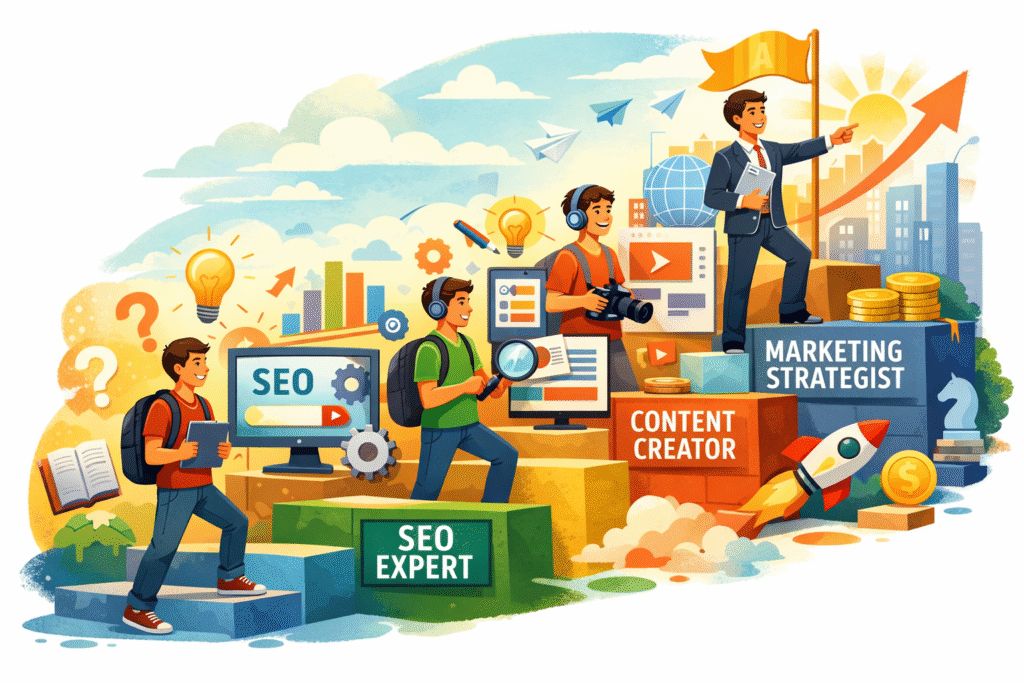
With the right skills and experience, following a Digital Marketing Roadmap can lead to a successful and rewarding career.
Future Trends in Digital Marketing
The digital marketing industry continues to evolve as technology advances. New trends and innovations constantly reshape the marketing landscape.
Some emerging trends include:
- Artificial intelligence in marketing
- Voice search optimization
- Personalized marketing campaigns
- Short-form video content
- Influencer marketing growth
Marketers who stay updated with industry changes will remain competitive in the future.
Adapting to these trends is an important part of improving skills within a Digital Marketing Roadmap.
Conclusion
Digital marketing offers exciting opportunities for beginners who want to build a career in the online world. However, success requires a clear learning strategy and consistent effort.
Following a structured Digital Marketing Roadmap helps beginners understand which skills to learn first and how to develop them step by step.
Starting with website creation, keyword research, SEO, and content marketing allows learners to build a strong foundation. As skills grow, marketers can explore advanced areas such as paid advertising, analytics, and marketing automation.
With dedication and practical experience, anyone can develop the expertise required to succeed in the digital marketing industry.
By committing to continuous learning and applying the strategies outlined in this Digital Marketing Roadmap, beginners can build a rewarding career and thrive in the digital economy.